
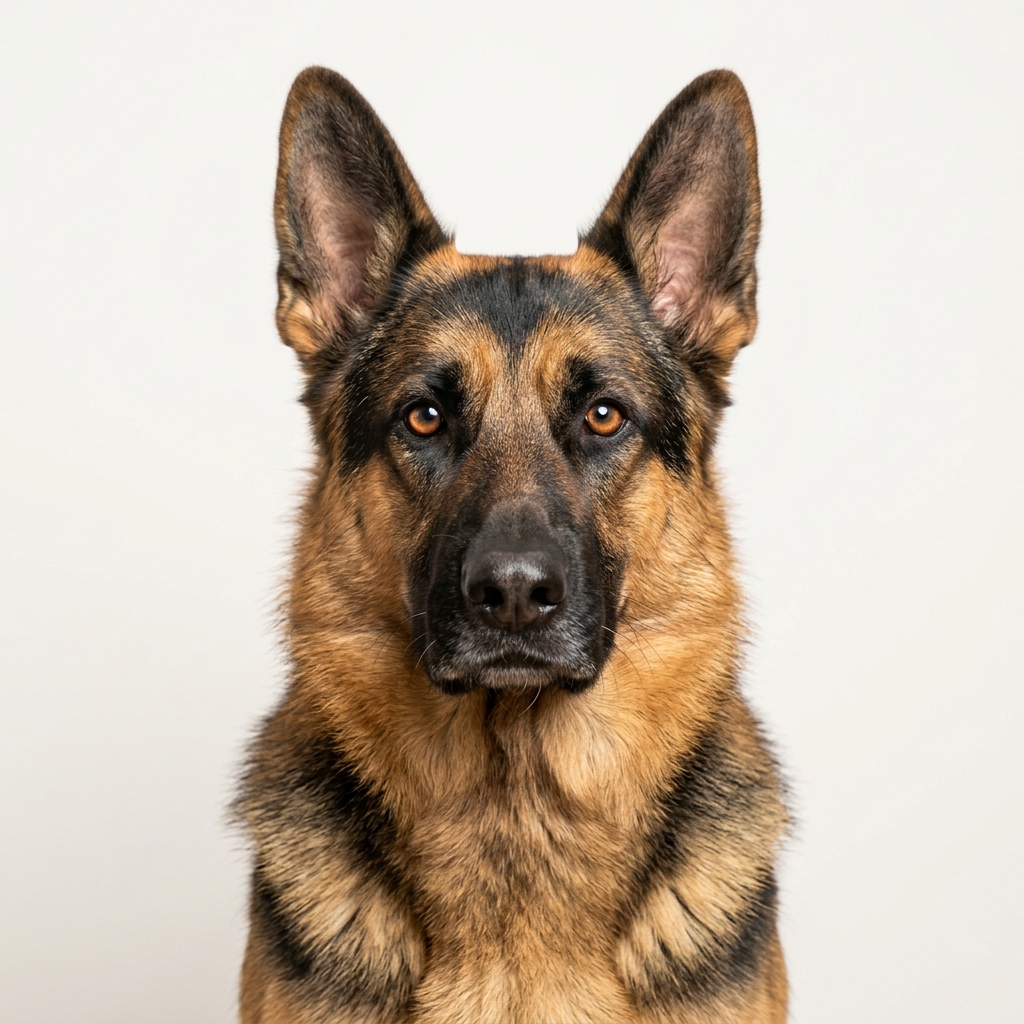
Tier 1 • Default
Public Base (Privacy-First)
Displays only minimalist clinical identity fields (Photo, Name, Breed, 15-Digit Mod-97 UID, and Safe Status). Custodian phone numbers and medical records remain strictly locked.

Vets and emergency responders get immediate record access with a single tap — instantly viewing your pet's blood group (e.g. DEA 1.1+), verified immunization records, and identity credentials on their PetEYE™ Digital ID.
Operated by K R PET EYE LLP, id.peteye.pet resolves 15-digit ISO/IEC 7064 Mod 97-10 PetEYE™ UIDs, ISO 11784/11785 microchips, and NTAG 424 DNA NFC / Ed25519 QR smart cards with custodian-controlled medical privacy.
Displays only minimalist clinical identity fields (Photo, Name, Breed, 15-Digit Mod-97 UID, and Safe Status). Custodian phone numbers and medical records remain strictly locked.
When flagged missing on the PetEYE™ App, the UID profile shifts to an Active SOS landing page with one-tap Custodian Calling, 4 identification angles, and First-Responder Essential Records.
Unlocks 6 granular modules (Medical Records, Vet Directory, Behavioral Quirks, Personality/Diet, Licenses, and Adoption Papers) via Owner OTP or revocable 10-character hex tokens.
A PetEYE™ UID is a permanent 15-digit sovereign pet identifier (formatted 7YY-DDD-RRR-RRR-RKC) protected by ISO/IEC 7064 Mod 97-10 double check digits. It links your pet's physical CR80 smart card, ISO 11784/11785 microchip, veterinarian-verified vaccinations, and emergency SOS profile under one tamper-proof directory at id.peteye.pet.
Tier 1 (Public Base) displays only minimalist clinical identity fields—pet photo, name, breed, and live registration status—while keeping owner contact details and medical history private under India's DPDP Act (2023). Tier 2 (Lost Pet SOS) dynamically unlocks emergency contact and 4-angle finder photos when a pet is flagged missing, and Tier 3 (Veterinary Clinical) releases scoped medical modules via Owner OTP or tokenized RecordAccess links.
Every physical PetEYE™ CR80 card and collar tag uses NXP NTAG 424 DNA Secure Dynamic Messaging (AES-128 SUN CMAC) that generates a new cryptographic signature on every NFC tap, paired with an asymmetric Ed25519-signed QR payload. Cloned tags, replayed tap counters, or revoked cards are immediately flagged by the id.peteye.pet verification authority.
Without forcing veterinarians to create accounts, scanning a PetEYE™ UID routes through the Zero-Trust Clinical Gateway. Pet parents can approve a 15-minute OTP session or share a 10-character RecordAccess token (?token=) granting granular read-only access to 6 modules: Medical Records, Vet Directory, Behavioral Quirks, Personality & Diet, Municipal Licenses, and Adoption/Pedigree Papers.
When a custodian activates Lost Mode on the PetEYE™ App, scanning the pet's QR code, tapping the NFC tag, or entering the 15-digit UID on id.peteye.pet immediately switches to Tier 2 Emergency SOS Mode—displaying an ACTIVE SOS banner, one-tap Call Custodian button, 4-angle identification gallery, and First-Responder Essential Records (Anti-Rabies status, deworming, blood group, allergens, and safe handling).
Yes. Operated by K R PET EYE LLP (Bengaluru, India), PetEYE™ links municipal corporation pet licenses (such as BBMP), AWBI registrations, and Kennel Club lineage records with standardized 'Veterinarian Verified on PetEYE™' attestations, self-declared practitioner registration numbers, and SHA-256 document integrity hashes.